Paint Matching a New Bumper or Fender in Denver
You bought a new bumper cover, a fender, a hood, or a spoiler. It showed up black, gray, or raw primer, and now it needs to look like it came on the car. This is the most common paint job we do, so here’s how paint matching actually works, what you need to bring, and what it costs.
Step 1: find your paint code
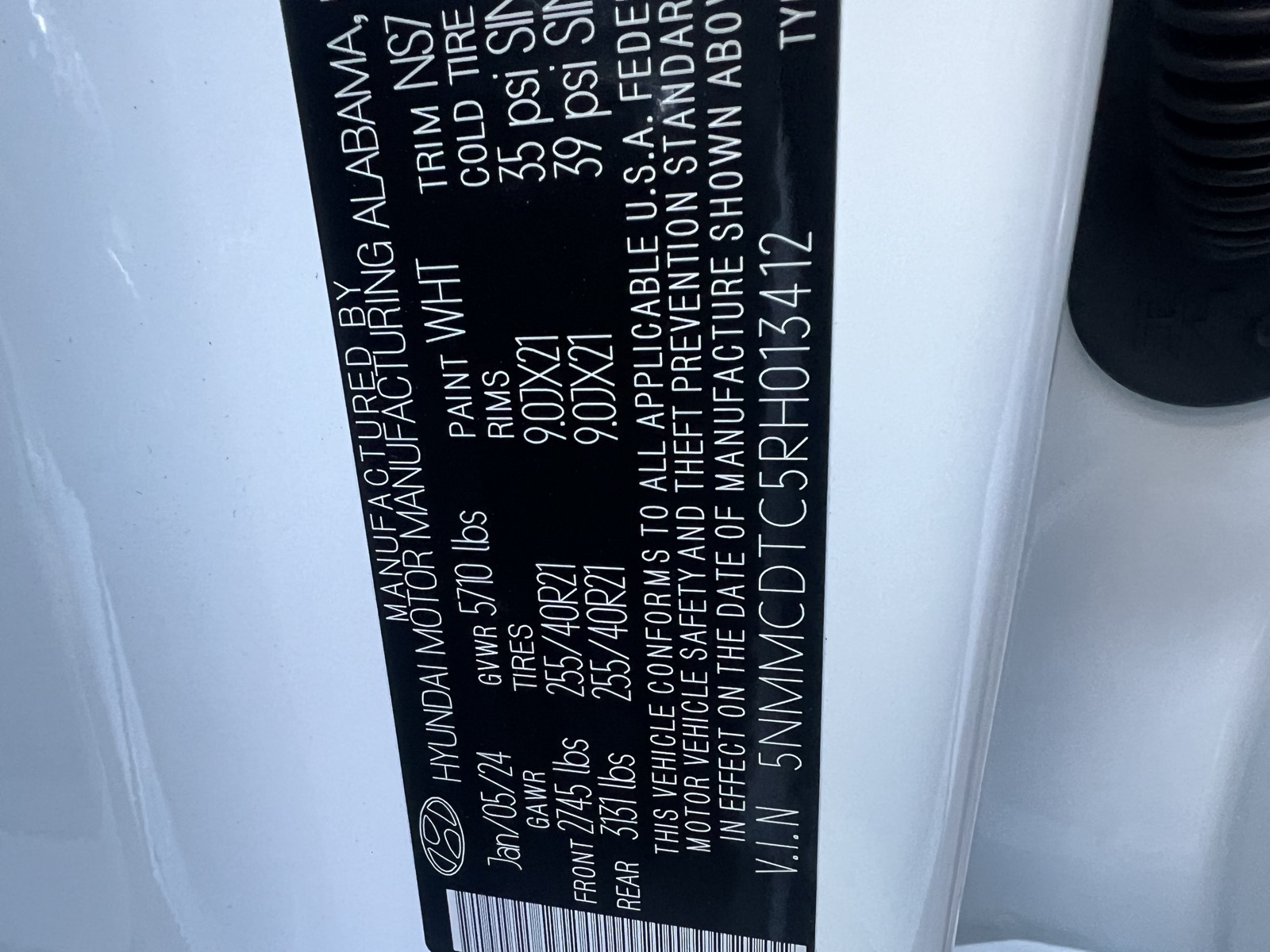
Every vehicle has a factory paint code on a sticker, usually in the driver’s door jamb. On some cars it’s under the hood, in the glovebox, or in the trunk. It looks like “LY9B,” “1G3,” or “PN01.” A photo of that sticker is all we need. No sticker? Send us the VIN and we’ll look it up.
One thing to know: the code is the starting point, not the finish line. The same code can have several factory variants, and the paint on a car that’s spent five Colorado summers outside has shifted from what left the plant.
Step 2: we mix and spray a test
We mix the color from your code, spray a test card, and check it against the car in daylight. That gets us a match that’s typically around 90% straight from the formula. The rest comes from adjusting the variant, the number of coats, and how the metallic lays down. That’s the part that separates a “close enough” bumper from one you stop noticing.
Step 3: prep matters more than paint
New parts usually arrive in a transport primer that isn’t meant to be painted over as-is. We scuff it, seal it, and lay basecoat and clearcoat in our booth. Skipping that sealer step is why some new bumpers start peeling in a year. The full process is sand, prime or seal, basecoat, clearcoat, cure.
Step 4: blending, and when you need it
A perfect code match next to faded paint can still read a shade different at the panel gap. When that’s a risk, the fix is blending a little color into the adjacent panel so the eye can’t find the edge. On a newer car, most single-part jobs don’t need it. On an older car with sun fade, we’ll tell you honestly whether a straight match will look right or whether you want the blend.
What it costs
- Bumper: from $600, brought in off the car.
- Fenders, hoods, spoilers, side skirts: quoted from photos.
- Badges, mirror caps, grills, trim: from $200.
- Still on the car? Removal and reinstall is $150 per hour, about two hours on most vehicles. Land Rovers and a few others take longer.
Full details on the bumper, fender and parts painting page.
What to bring
- The part, off the car if you can. New parts are welcome and don’t need any prep from you.
- A photo of the paint code sticker, or the VIN.
- A photo of the car in daylight next to where the part goes, so we can see the neighbors.
How long it takes
Off-car parts are typically 2 to 5 business days. Painting isn’t a same-day service. Proper flash times between coats and a real cure are what make the finish last, and we’re not going to rush a part just to hand it back an hour earlier.
Things people ask
Can you paint a carbon fiber or fiberglass part? Yes. Aftermarket lips, spoilers, and hoods in fiberglass or carbon get the same prep and can be painted body color or cleared.
Will it match my wrap or ceramic coating? We match paint to paint. If the car is wrapped, bring a photo of the wrap and we’ll talk about the closest option. Ceramic coating goes on after paint has cured, and we do that too on the ceramic coating page.
Do you paint whole cars? No. Parts and panels only. If the whole car needs paint, we’ll say so rather than take the job.
Get a number
Send photos of the part and your paint code through the quote form or text them to (720) 328-5439. We’re at 15353 E Hinsdale Cir, Unit H, Centennial, CO 80112, Monday through Friday 9 to 5.
Have a Question About This?
Send photos and get a quote by text, usually the same day.
Ready for a real quote instead of a range? Request your free estimate or drop your wheels at our Centennial shop — same-day service on most sets. Details: wheel powder coating in Denver.